How Can Dry-Eye Glasses Help?
One simple but often overlooked way to help manage dry-eye symptoms is to protect the surface of the eyes from the surrounding environment.
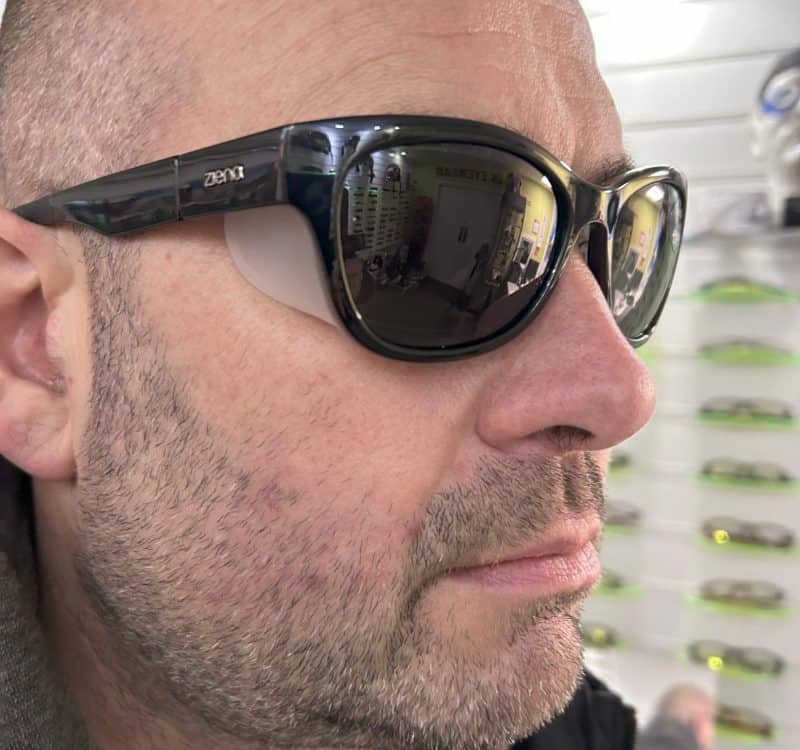
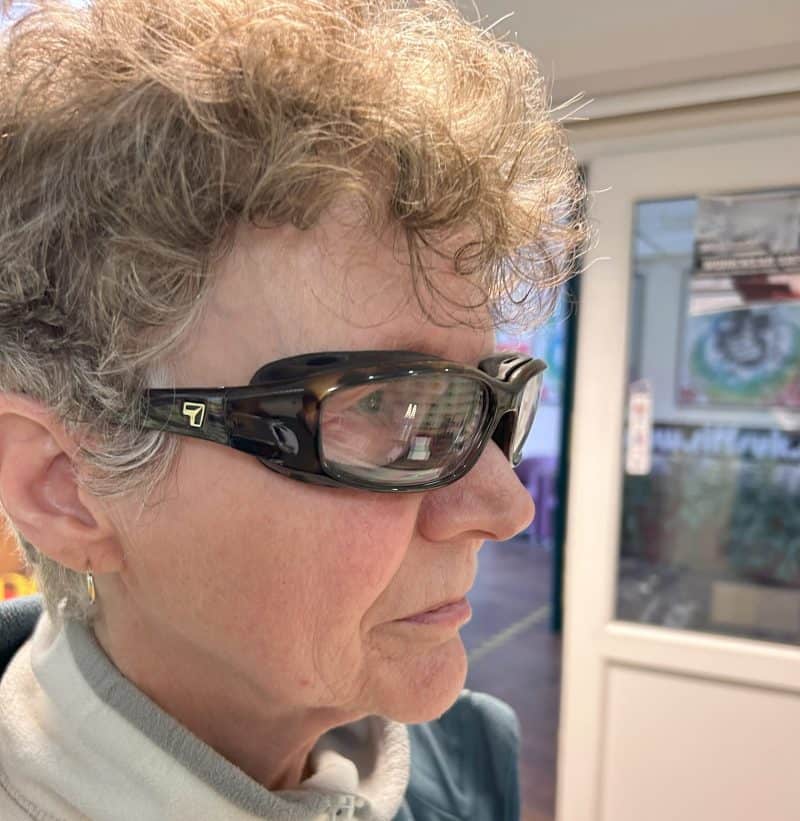
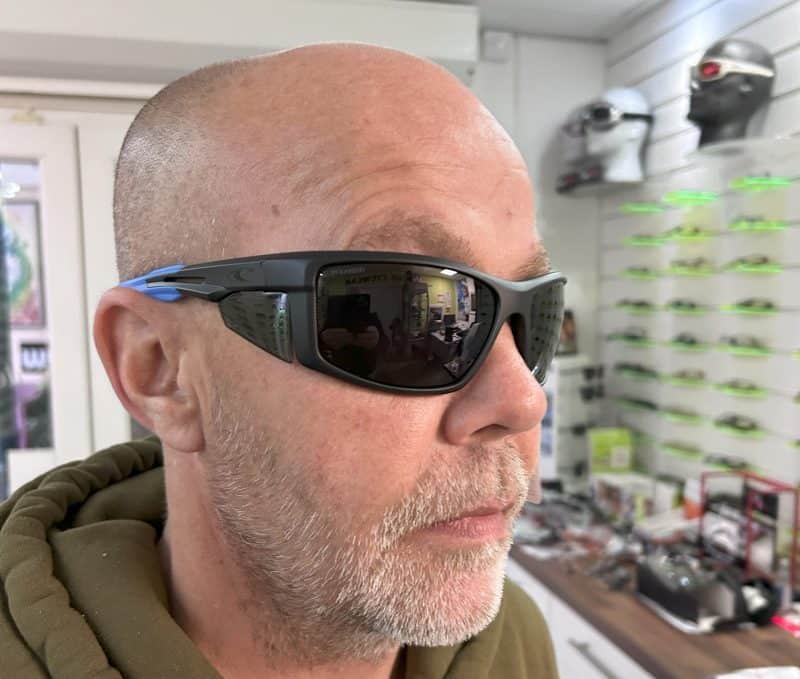
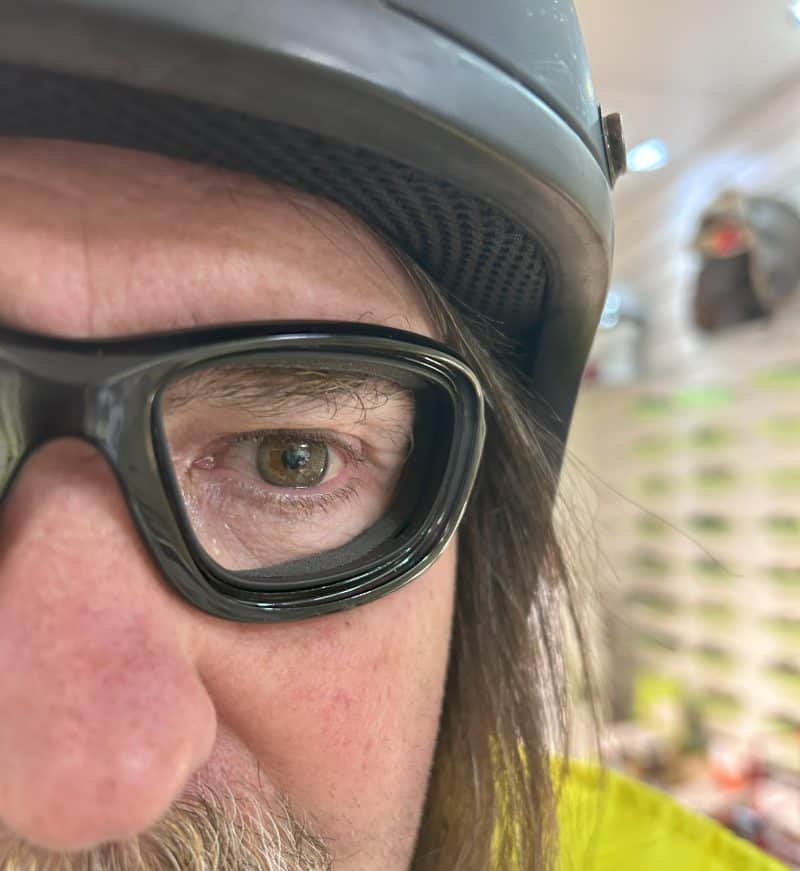
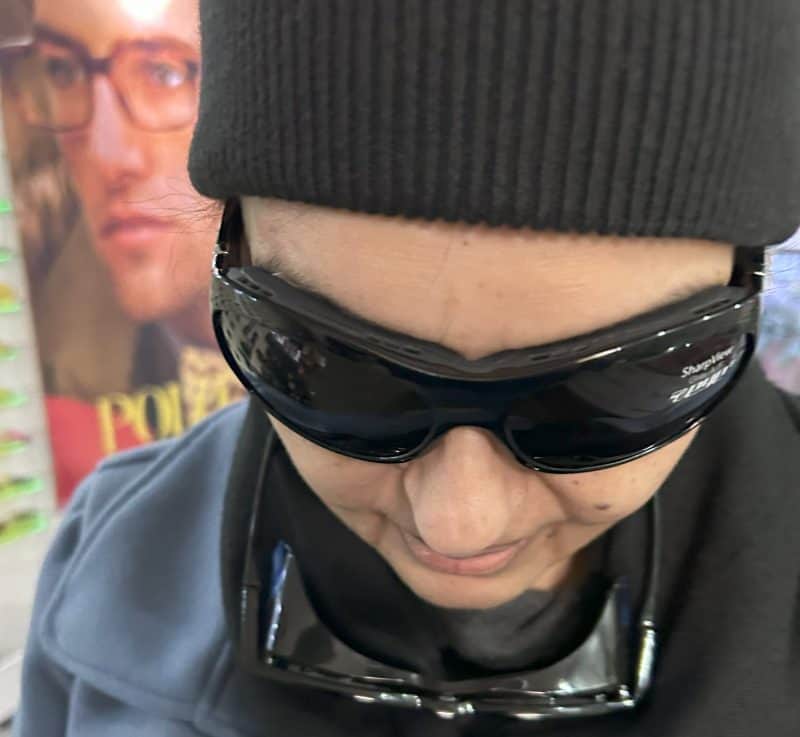
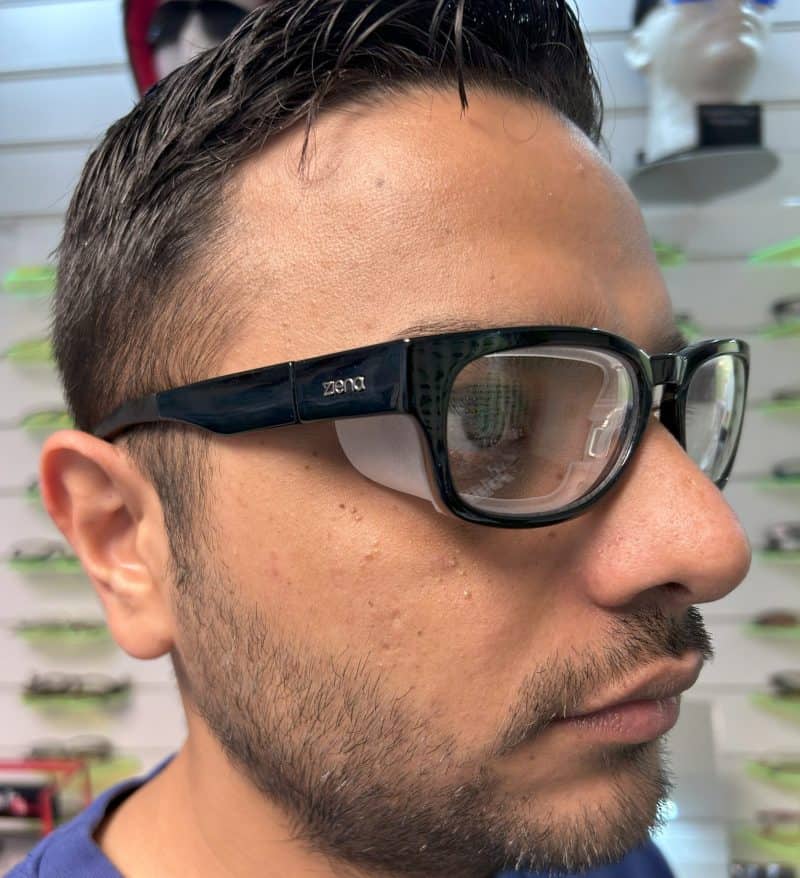
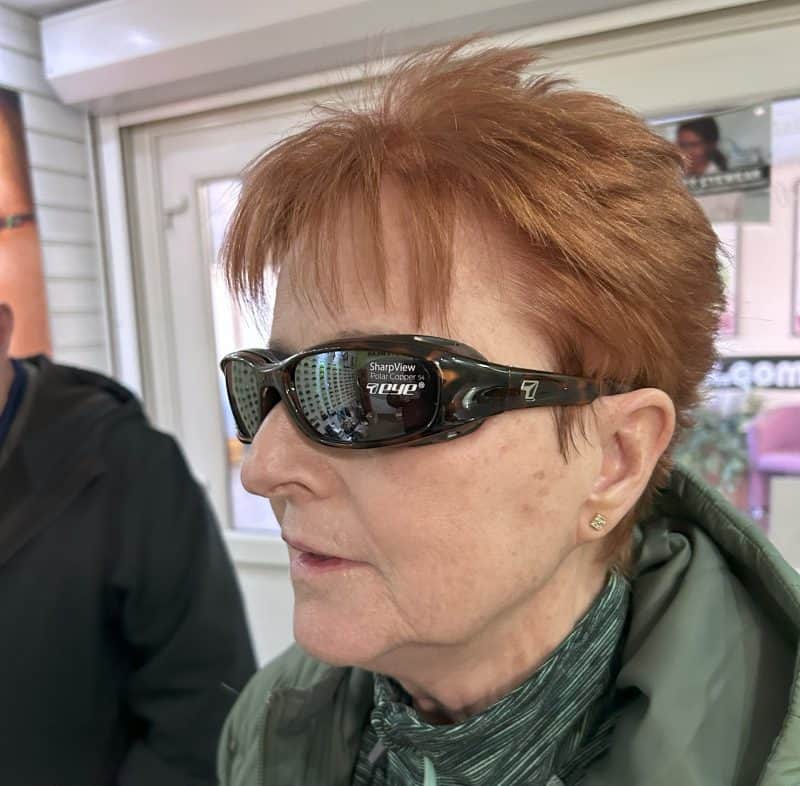
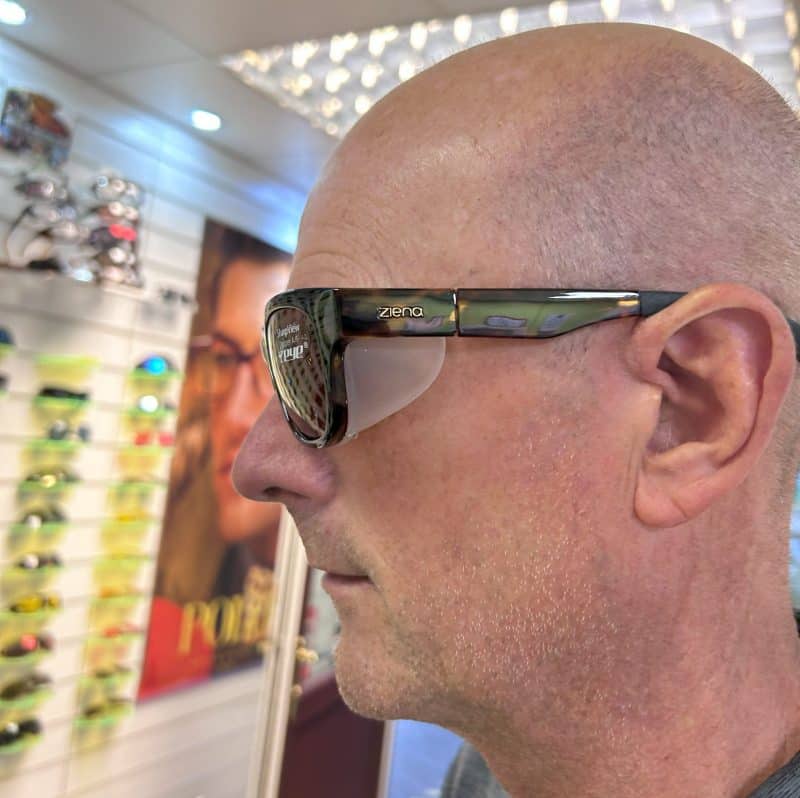
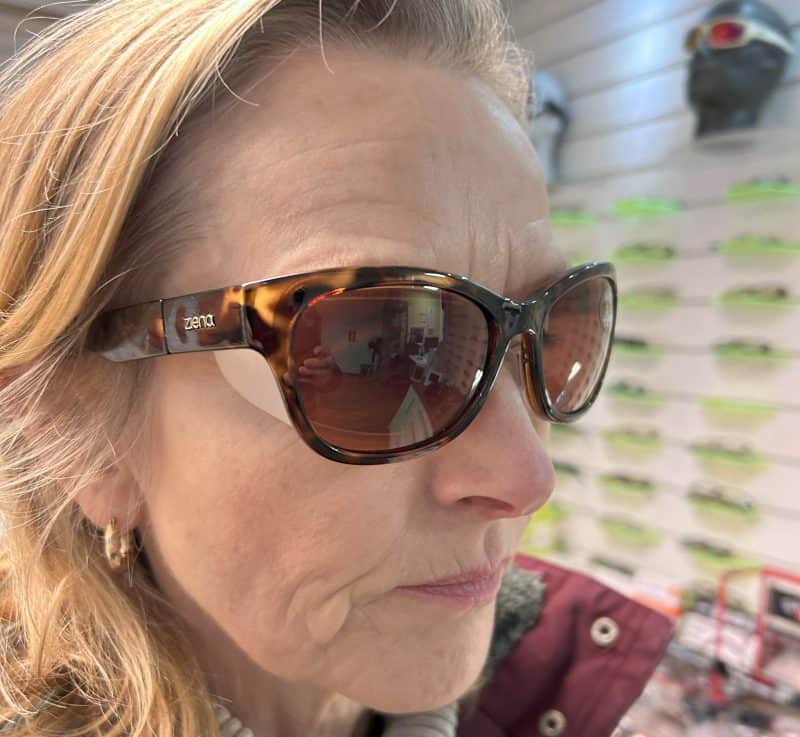
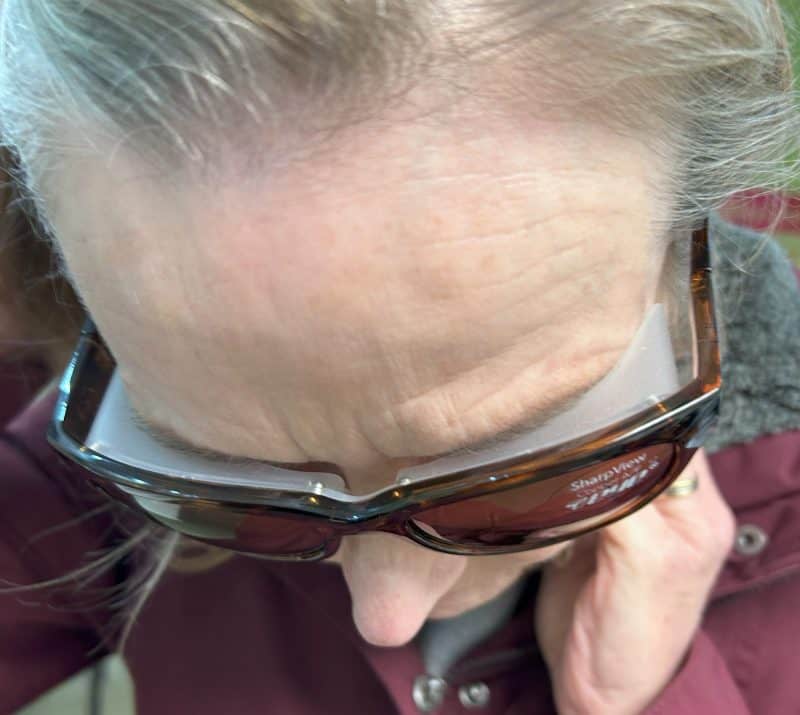
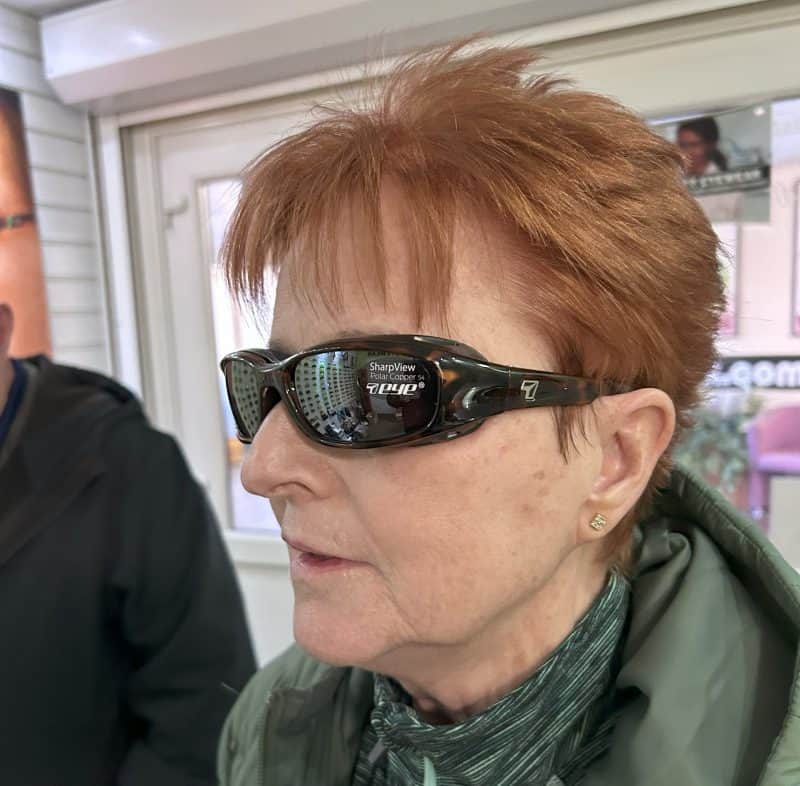
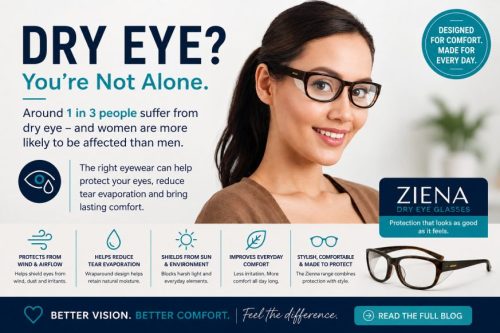
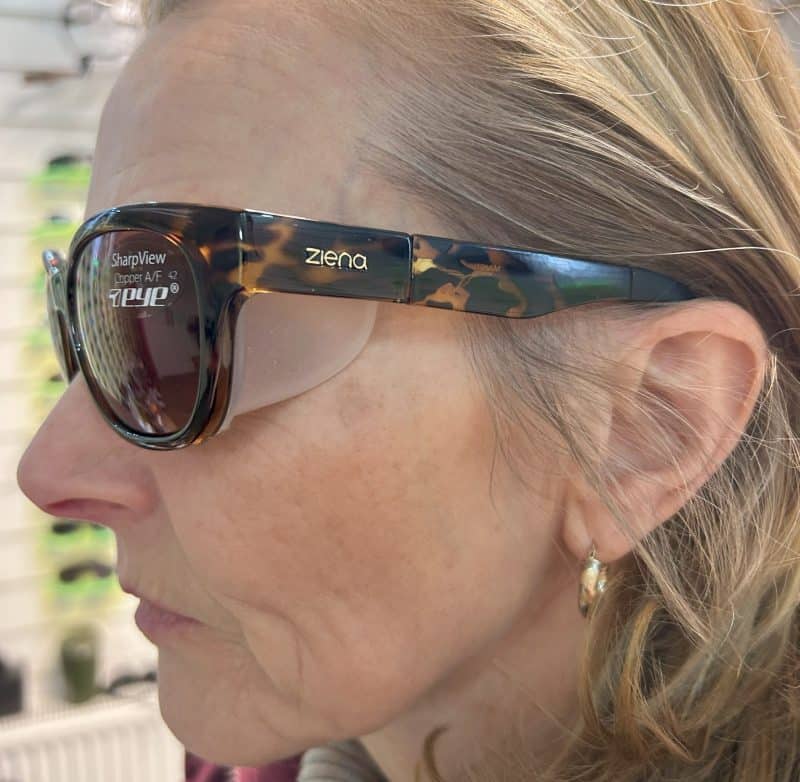
Dry-eye glasses — particularly glasses designed to fit closely around the eyes — can create a more sheltered environment around the eyes. This can help reduce exposure to wind and moving air and may slow the evaporation of tears from the surface of the eye.
The National Eye Institute specifically recommends wraparound sunglasses for people with dry eye when they are outside. Older NEI guidance also notes that glasses or sunglasses that fit closely to the face, including wraparound designs or glasses with side shields, can help slow tear evaporation.
The potential benefits include:
1. Protection from wind
Wind can increase tear evaporation and make already-irritated eyes feel even drier. Close-fitting eyewear can provide a physical barrier against direct airflow.
2. Reduced tear evaporation
By creating a more protected space around the eyes, specialised eyewear may help maintain moisture on the eye’s surface for longer.
3. Protection outdoors
Sunlight, wind, dust and other environmental factors can aggravate dry-eye symptoms. Wraparound eyewear can provide additional protection when spending time outdoors.
4. Greater everyday comfort
For people whose symptoms are triggered by environmental conditions, wearing protective glasses may make activities such as walking, cycling or spending time outdoors more comfortable.
5. A drug-free approach
Unlike eye drops, protective eyewear doesn’t involve medication. It can therefore be used alongside other approaches recommended by an optometrist or ophthalmologist.
Dry-Eye Glasses Aren’t a Cure
While specialist eyewear can be useful for managing environmental triggers, it is important to understand that dry-eye glasses do not cure the underlying condition.
Dry eye has many possible causes, so treatment should be tailored to the individual. Depending on the cause and severity, management may include artificial tears, prescription medication, lifestyle changes or treatment of an underlying condition.
Simple measures can also make a difference. Taking regular breaks from screens, using a humidifier in dry environments and avoiding direct exposure to air conditioning or fans may help reduce symptoms.
Could Dry-Eye Glasses Be Right for You?
If your eyes regularly feel dry, gritty, irritated or tired — particularly when you’re outdoors or exposed to wind — protective eyewear could be a useful addition to your dry-eye management routine.
The important thing is to choose eyewear that provides a comfortable, close fit without compromising your vision or everyday activities.
And if your symptoms are persistent, painful, severe or affecting your vision, it’s important to have your eyes assessed by an optometrist or eye-care professional. Dry eye is common, but ongoing symptoms should not simply be ignored.
The Bottom Line
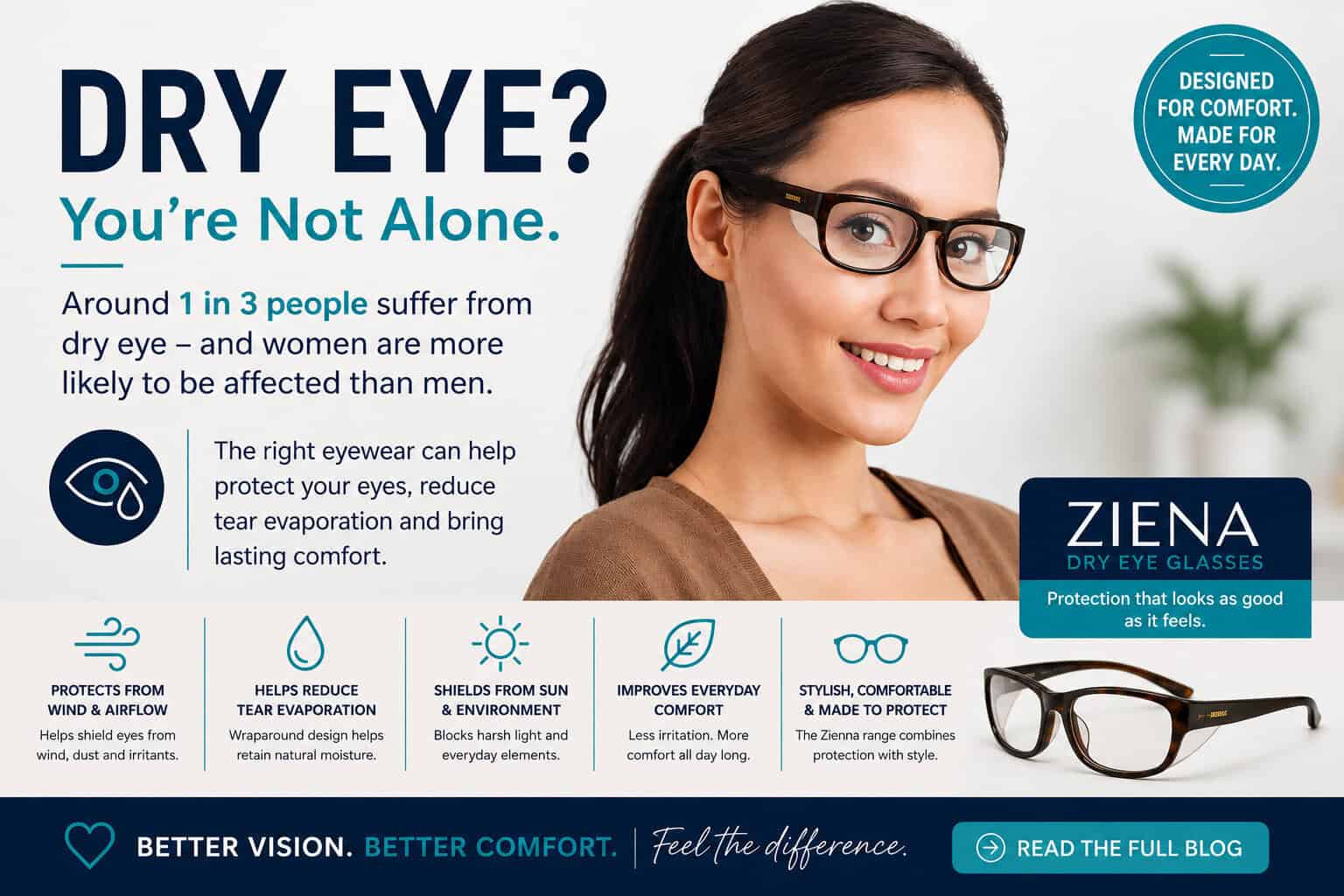
Dry eye affects a substantial proportion of the population, with recent research suggesting that around one in three people globally may experience the condition. Women appear to be affected more frequently than men, although dry eye can affect people of any sex and at any age.
For people whose symptoms are aggravated by wind, dry air or outdoor conditions, close-fitting dry-eye glasses can provide a practical layer of protection by helping to reduce airflow around the eyes and slow tear evaporation.
Combined with appropriate eye care and other recommended treatments, protective eyewear may be a simple way to make everyday life more comfortable for people living with dry eye.