
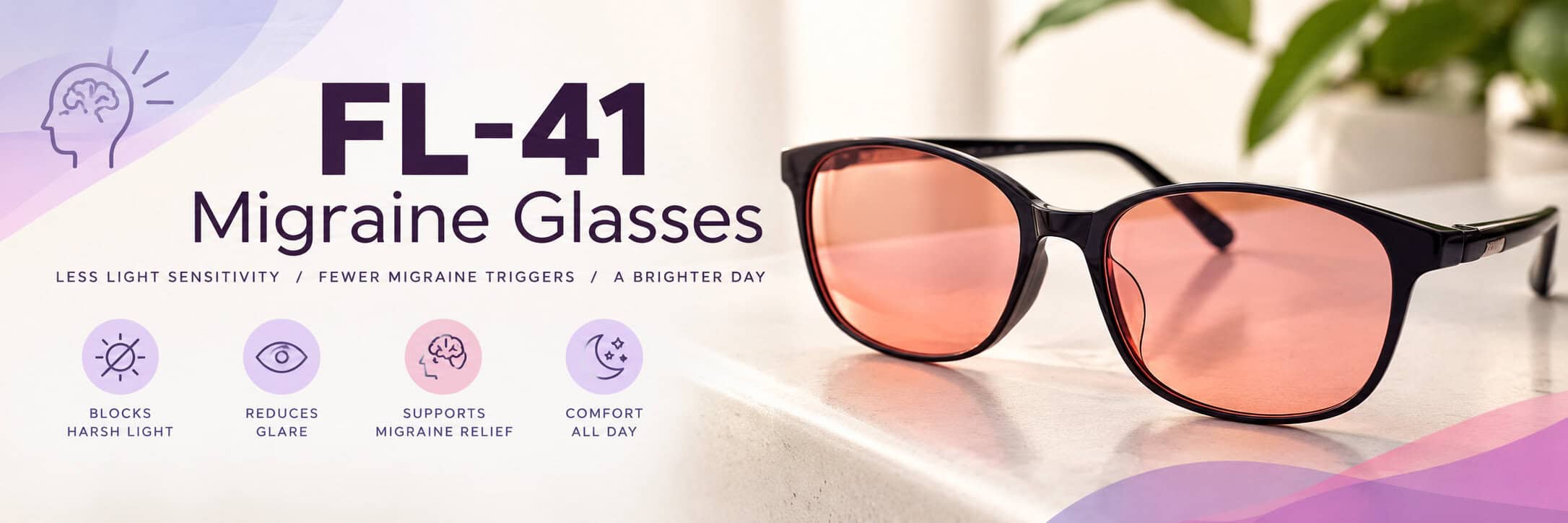
FL-41 Migraine Glasses Centre Manchester
-
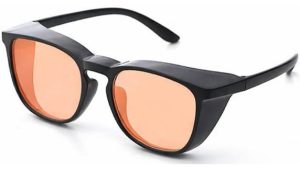
FL 41 – Tester
£54.95 -

-

FL-41 Clip-On – Flip Up
£76.95 -

-
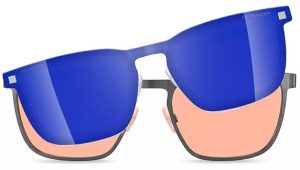
Magna-Clip TADHG | Adult
£109.50 -

Multi-Function Sport
£98.00 -

-
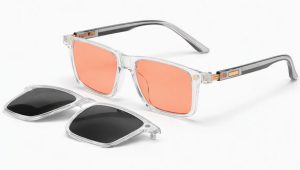
Magna-Clip transparent grey
£89.50 -

-

-

Unisex FL-41 glasses
£76.95 -

Unisex frame
£78.00 -

FL-41 Migraine Glasses
£79.95 -

FL-41 – Superlight
£78.00 -

-

-

FL-41 Unisex design
£78.00 -

-

FL-41 Glasses – Cocoa Mint
£111.00 -

FL-41 – Petite Fit
£89.50 -

Slim Fit – ZP4517-FL-41
£76.95 -

ZP 4053
£87.95 -

FL-41 Glasses – ZP4055 C1
£78.00 -

-

Ladies Designer ZP4056
£89.00 -

-

-

Men’s Designer Ashton Riley
£98.00 -

Ladies FL-41 Tester
£68.00 -

-

-


Prescription Dry Eye Glasses & Moisture Chamber Relief | UK Eyewear
At UK Eyewear, we provide specialised prescription dry eye glasses and non-prescription moisture chamber glasses designed to relieve the uncomfortable symptoms of Dry Eye Syndrome (DES).
Browse our full prescription dry eye glasses range here.
What is Dry Eye Syndrome (DES)?
If you experience sandy, gritty, or burning eyes that seem to worsen as the day goes on, you may be suffering from Dry Eye Syndrome.
This common condition becomes more prevalent with age and affects women two to three times more frequently than men. Millions of people suffer from moderate to severe dry eye symptoms, while countless others experience mild daily irritation. Dry eye occurs when your eyes lack sufficient moisture, or when your tear composition fails to keep your eyes properly lubricated.
Understanding the Anatomy of the Tear Film
To maintain healthy, comfortable eyes, your tear film relies on a delicate balance of three essential layers:
-
Oily Lipid Layer: Produced by the meibomian glands in your eyelids to prevent rapid tear evaporation.
-
Watery Aqueous Layer: Produced by the lacrimal gland above your upper eyelid to keep the eye hydrated and wash away irritants.
-
Mucus Layer: Secreted by goblet cells in your conjunctiva, allowing the tear film to adhere smoothly to the cornea.
When these components fall out of balance due to environmental or biological factors, moisture evaporates too quickly, leading to chronic dryness.
Why Your Eyes Rely on Tears
Your eye’s delicate surface does not have a direct blood supply; instead, it depends entirely on your tear film for vital oxygen and electrolytes. In dry eye cases, the tear film loses essential moisture due to decreased tear production or accelerated evaporation—leaving your eyes feeling progressively drier throughout the day.
Common Symptoms of Dry Eyes
Dry eye symptoms can vary widely in intensity from person to person. Watch out for these common signs:
-
Persistent dryness or a lack of natural moisture
-
Itchiness, scratchiness, or tired eyes
-
Burning or stinging sensations
-
A foreign body sensation (feeling like something is in your eye)
-
Grittiness and light sensitivity
-
Forced or excessive blinking
Causes and Risk Factors for Dry Eyes
A wide variety of lifestyle, environmental, and biological factors can trigger dry-feeling eyes:
-
Dry Environments: Central heating, air conditioning, and windy outdoor conditions accelerate tear evaporation.
-
Digital Screen Time & Contact Lenses: Staring at screens or wearing contact lenses significantly reduces your blink rate.
-
Aging: Natural tear production naturally declines, particularly in adults aged 45 and over.
-
Hormonal Changes: Women going through or near menopause are significantly more susceptible.
-
Medications: Certain prescription drugs, the contraceptive pill, and HRT can reduce natural eye lubrication.
-
Nutritional Deficiencies: A lack of essential fatty acids, vitamins, and minerals can impact overall eye comfort.
-
Post-Operative Recovery: Eye, facial, or brain surgeries can temporarily impair your ability to blink normally.
Authoritative Medical & Clinical Resources
For further clinical insight and professional guidance regarding eye health, explore these trusted authorities:
-
NHS – Dry Eyes — Clear, practical guidance on symptoms, causes, self-care, and when to seek professional medical help.
-
Association of Optometrists (AOP) — Detailed breakdown of tear layers, risk factors, and available treatment options.
-
American Academy of Ophthalmology (AAO) — Comprehensive clinical explanations of dry eye causes, diagnosis, and medical treatments.