
-

Ziena Kai
£149.00 -

Ziena Kai 2 New Colours
£149.00 -

Ziena Kai Transparent Grey
£149.00 -

Ziena Kai Black
£149.00 -
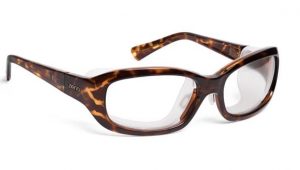
Ziena Verona – Ladies Fit
£149.00 -

-

Ziena Marina
£149.00 -

Ziena Oasis – Ladies Fit
£149.00 -

Ziena Nereus Titan – Men’s Fit
£149.00 -

-

-

Ventus Tortoise
£99.00 -

Churada – Ladies Fit
£99.00 -

7 Eye Cape – Men’s Fit
£99.00 -

-
-

Dry eye goggles
£45.00 -

Dixon-RX DES – Men’s Fit
£55.00 -

7 Eye replacement foam seals
£28.00 -

-

Prescription Wind Proof Glasses
Original price was: £65.00.£35.00Current price is: £35.00.
Prescription Dry Eye Glasses & Moisture Chamber Relief | UK Eyewear
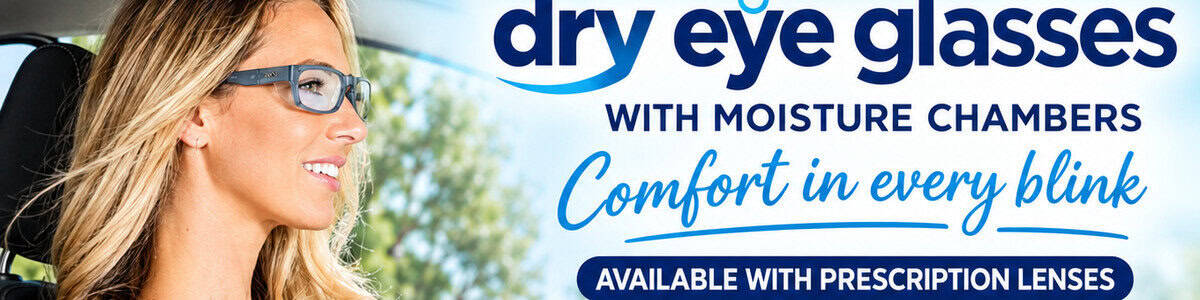
At UK Eyewear, we offer specialized eyewear to help relieve Dry Eye Syndrome (DES). Our range includes both prescription and non-prescription dry eye glasses with moisture chambers.
Browse our full prescription dry eye glasses range here.
What is Dry Eye Syndrome?
If you have sandy, gritty, or burning eyes that worsen through the day, you may have dry eye.
The condition becomes more common with age and affects two to three times more women than men. Millions suffer from moderate to severe symptoms, while many more experience mild cases.
Dry eye happens when you lack enough tears, or the correct tear composition, to keep your eyes lubricated and comfortable.
The Anatomy of the Tear Film
A healthy eye needs a stable tear film made of three layers:
-
Oily Lipid Layer: Produced by meibomian glands in your eyelids. It reduces tear evaporation.
-
Watery Aqueous Layer: Made by the lacrimal gland above your upper eyelid. It washes away irritants.
-
Mucus Layer: Secreted by goblet cells in your conjunctiva. It helps your tear film stick to the cornea.
When these components fall out of balance, environmental factors can dry out your eyes.
Why the Eye Relies on Tears
Your eye’s delicate surface has no blood supply. Instead, it runs on a tear supply.
Your eye surface gets vital oxygen and electrolytes from the watery layer of your tears. In dry eye cases, the tear film loses water due to lower tear production or faster evaporation. As evaporation continues, your eyes feel drier all day.
Common Symptoms of Dry Eyes
Dry eye symptoms vary in severity for every sufferer. Common signs include:
-
A feeling of dryness
-
Itchiness or scratchiness
-
Burning or stinging sensations
-
Foreign body sensation
-
Grittiness or tired eyes
-
Forced blinking and light sensitivity
Causes and Risk Factors
Many factors contribute to dry-feeling eyes:
-
Dry Environments: Central heating, air conditioning, and windy weather speed up tear evaporation.
-
Screen Time and Lenses: Contact lenses and watching screens reduce how often you blink.
-
Aging: Reduced natural tear production is common in people aged 45 and over.
-
Hormonal Changes: Women near menopause are often more susceptible.
-
Medications: Certain drugs, including the pill and HRT, reduce eye wetting.
-
Poor Diet: Essential oils, vitamins, and minerals help support eye comfort.
-
Post-Op Recovery: Eye, facial, or brain operations can temporarily reduce your ability to blink.
Useful External Resources
For further clinical guidance and medical insights, explore these authoritative resources:
-
NHS – Dry Eyes — Clear, practical guidance on symptoms, causes, self-care, and when to seek medical help.
-
Association of Optometrists (AOP) — Detailed breakdown of tear layers, risk factors, and treatment options.
-
American Academy of Ophthalmology (AAO) — Comprehensive clinical explanations of dry eye causes, diagnosis, and treatments.
Useful links:
NHS – Dry Eyes — Clear, practical guidance on symptoms, causes, self‑care, and when to seek medical help.
Association of Optometrists (AOP) — Detailed breakdown of tear layers, risk factors, and treatment options.
American Academy of Ophthalmology (AAO) — Comprehensive clinical explanations, causes, diagnosis, and treatments for dry eye.
Estimated reading time: 5 minutes