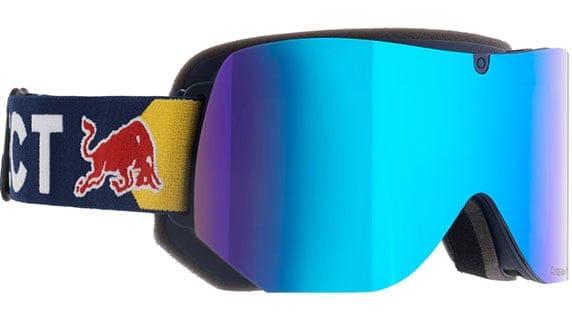
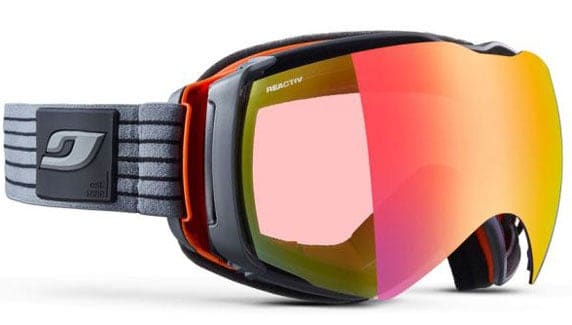
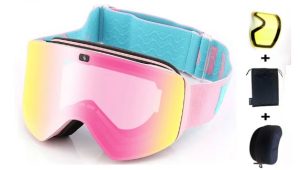
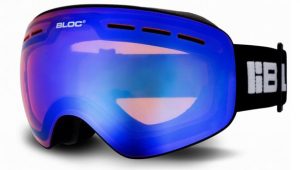
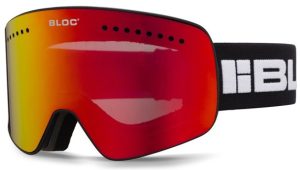
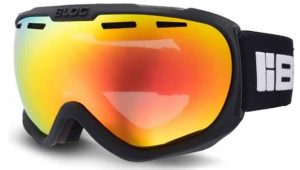
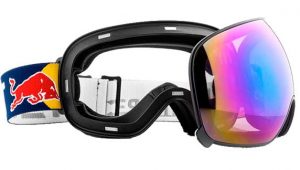
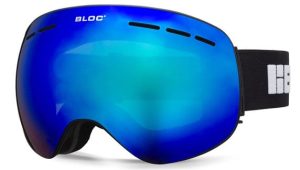
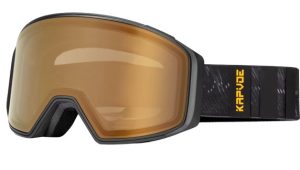
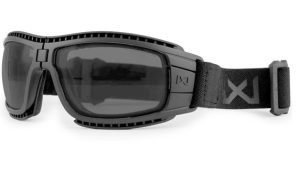
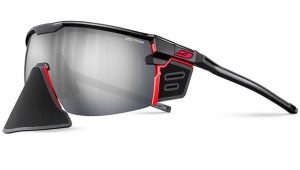
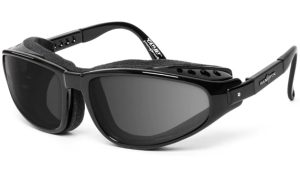
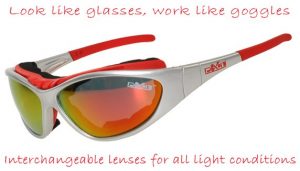
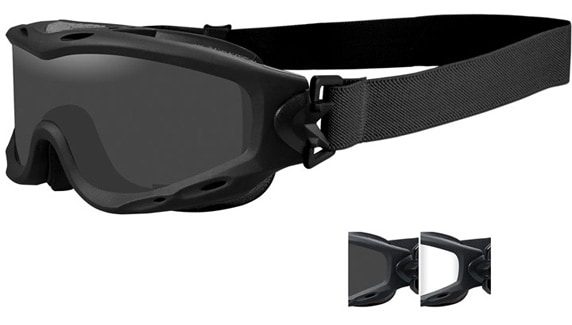
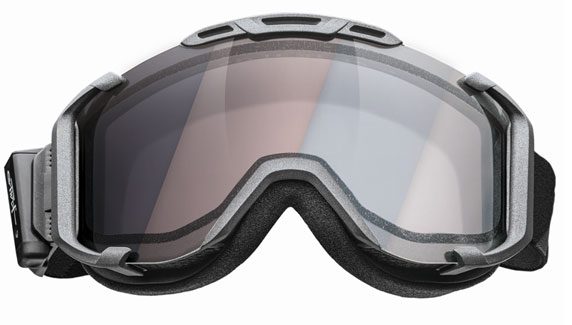
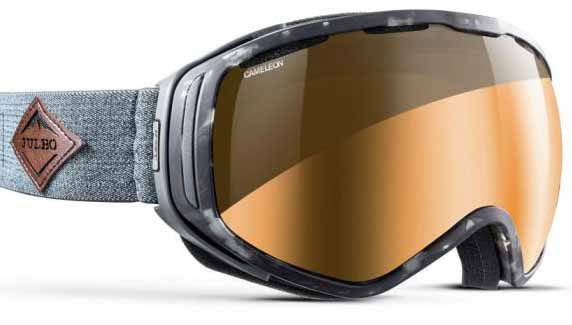
There is nothing worse than a poor-fitting pair of women’s ski goggles. Choosing a pair of women’s ski goggles that are both well-fitting and suited to the type of skiing you do, will make all the difference to your experience and enjoyment on the slopes.
Proper Fitting
The majority of ski goggle manufacturers tend to make goggles in 2 sizes: Adult and Child. Leading brands such as Oakley and Uvex have gender-specific shapes, colors, and sizes.
Choosing a good fit is important because a poor-fitting goggle will cause your eyes to tear, they will be uncomfortable to wear, and will probably lead to them misting.
Top tips: If you are going to order a pair of ski goggles off the internet, you need to try them on with the helmet or hat you are going to be wearing.
Wearing a Hat
If you’re only wearing a beanie, hurrah! You have nothing to worry about! But for safety, it is always advisable to wear a helmet at all times on the slopes.
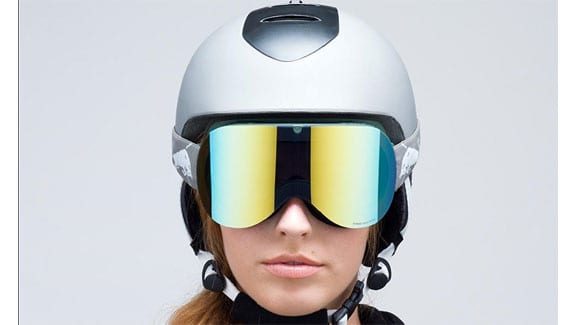
Wearing a Helmet
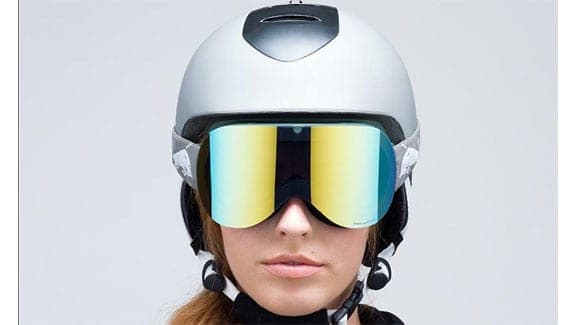
The better quality ski goggles have a silicone lining on the inside of the strap to ensure it doesn’t slip on the helmet. Keep in mind the fit of the goggle, as a poorly fitted pair will leave your forehead exposed leading to possible frostbite or sunburn
Over the Glasses (OTG) Goggles
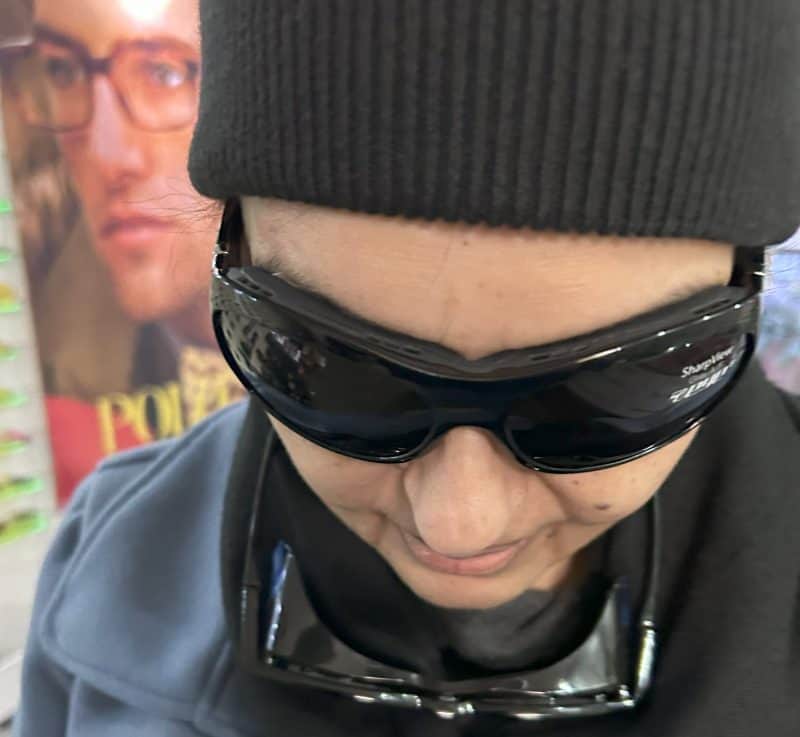
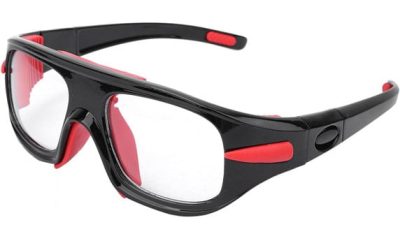
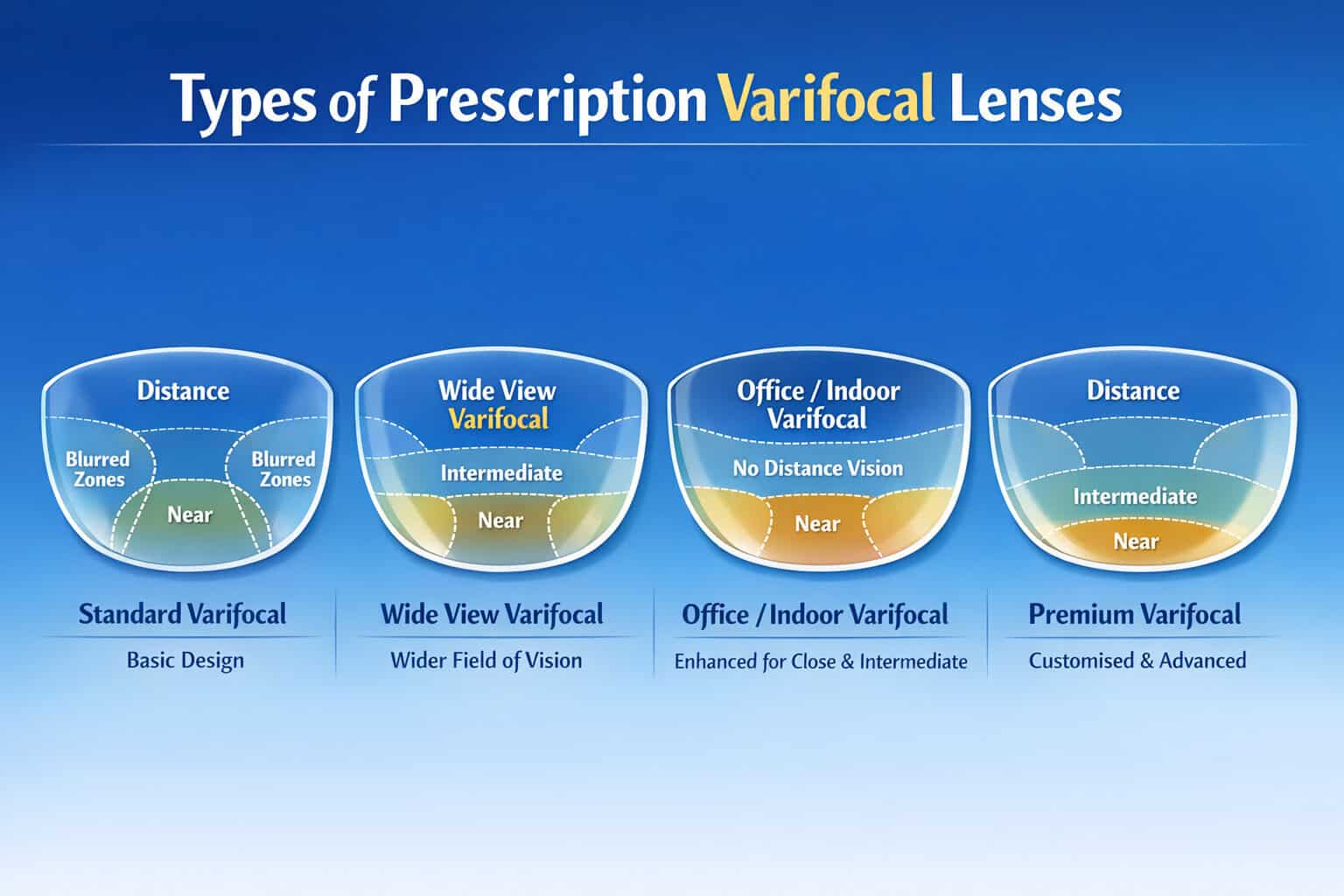
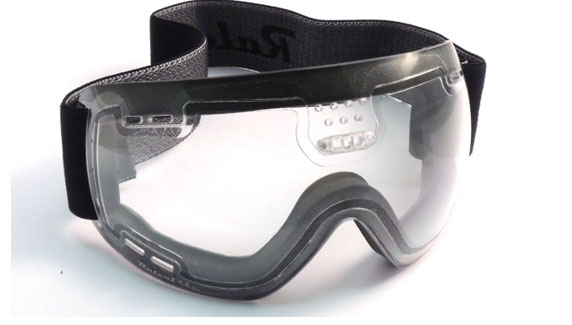
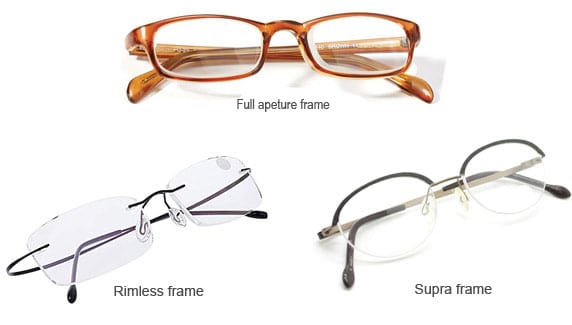
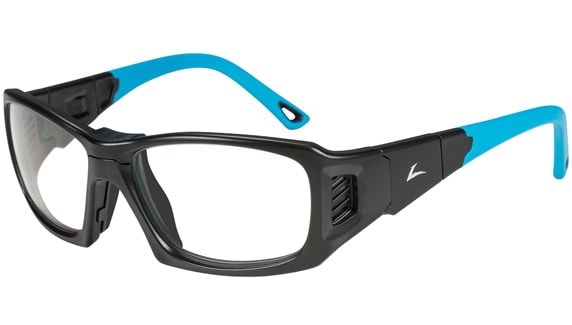
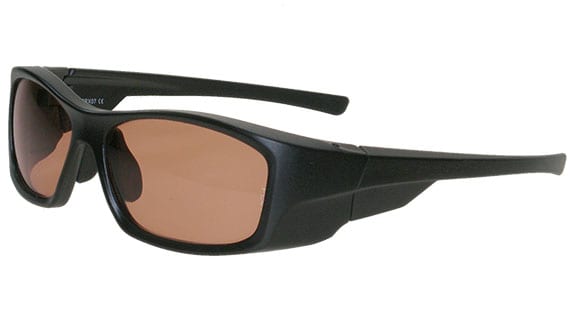
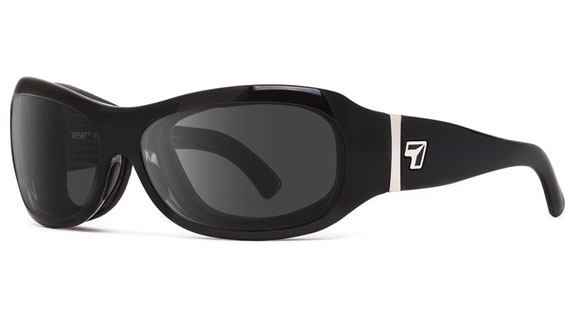
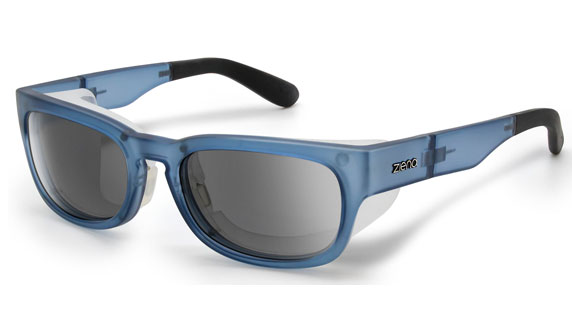
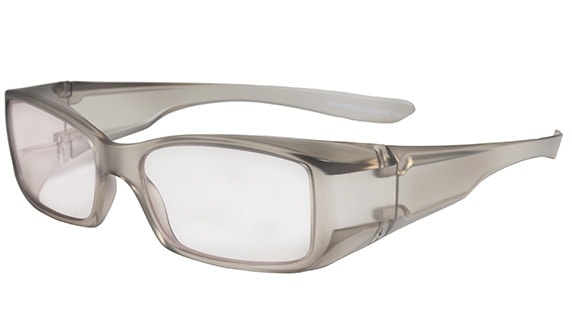
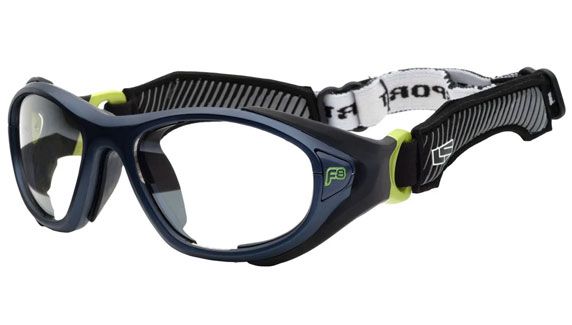
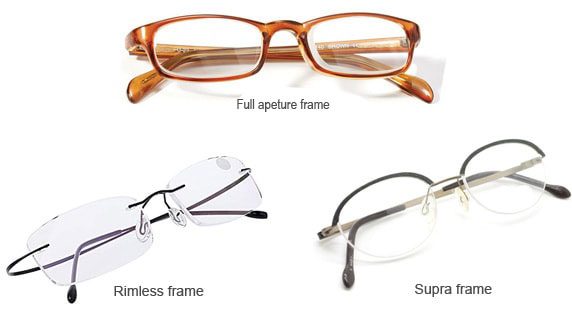
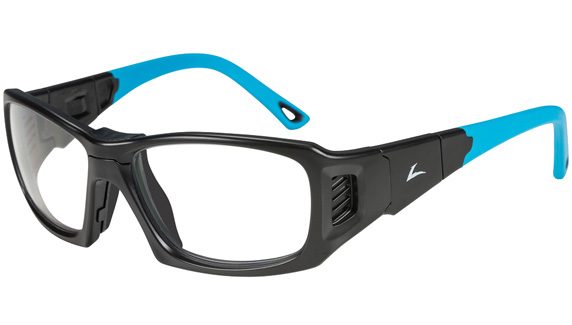
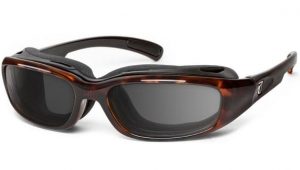
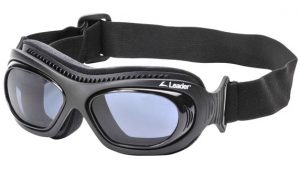
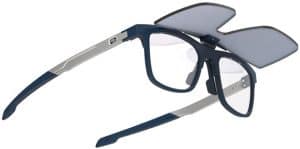
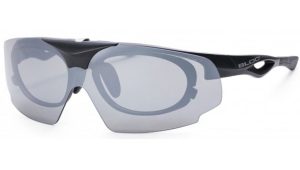
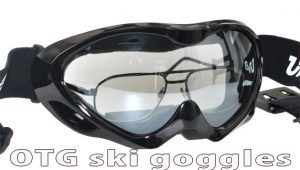
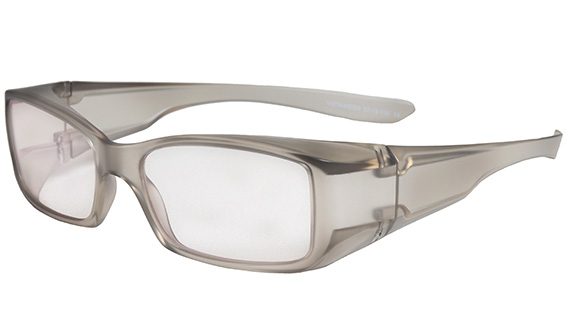
Not all ladies have 20/20 vision, some of you will require correction for your vision. One type of ski goggle is referred to as OTG (Over The Top Glasses) This is a ski goggle that is specifically shaped and designed to be worn over your normal spectacles.
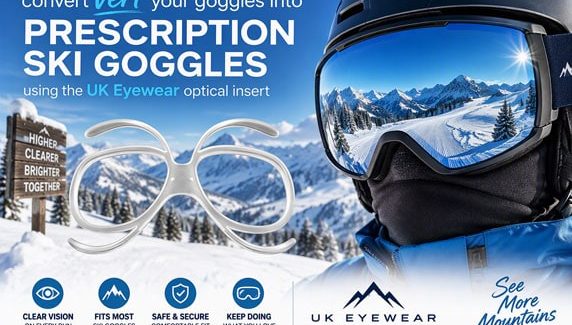
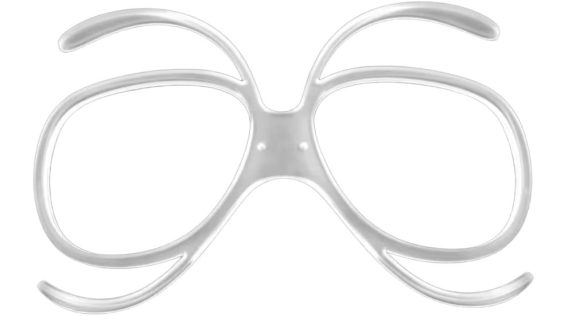
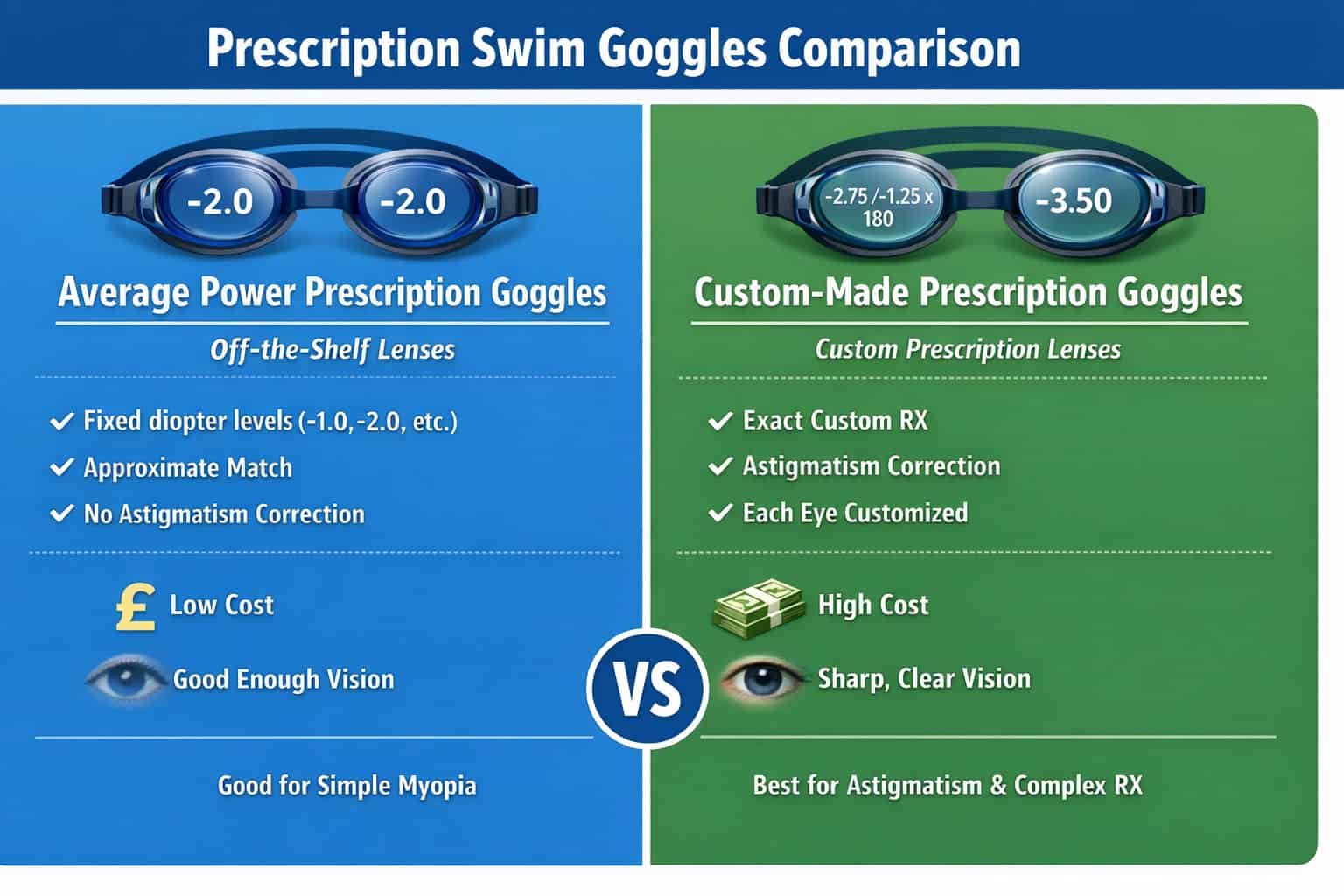
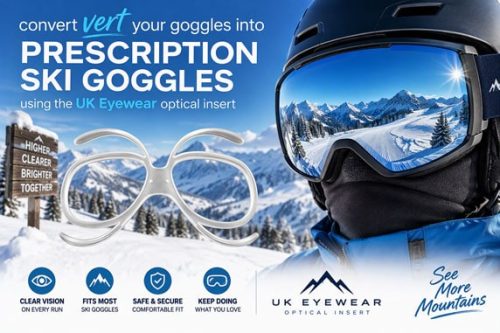
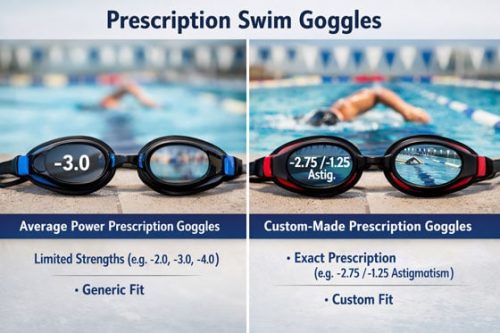
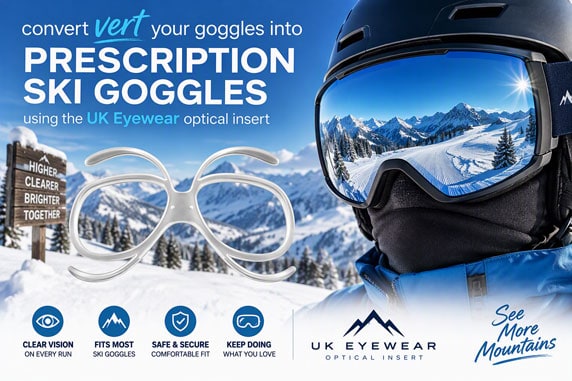
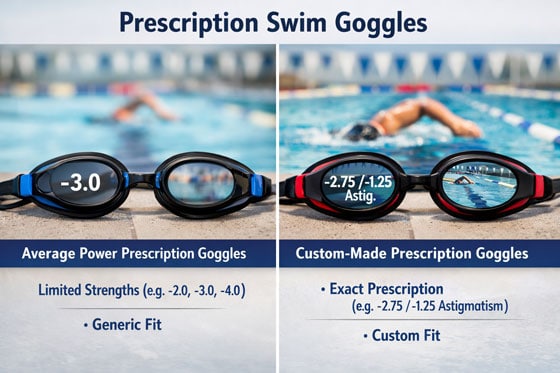
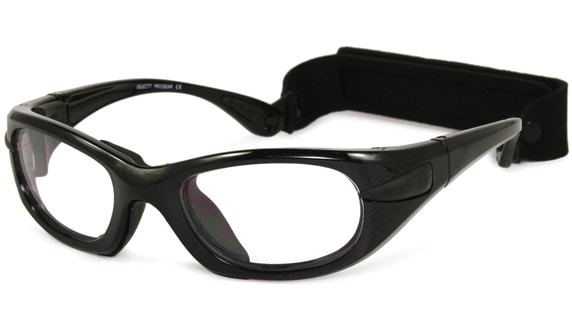
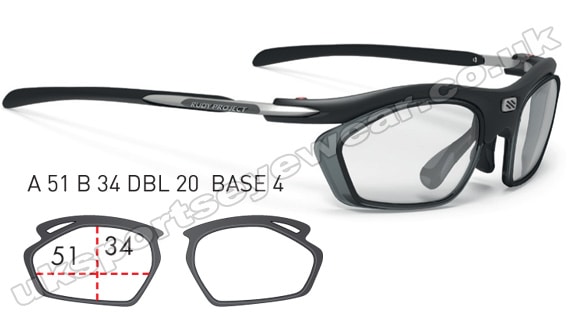
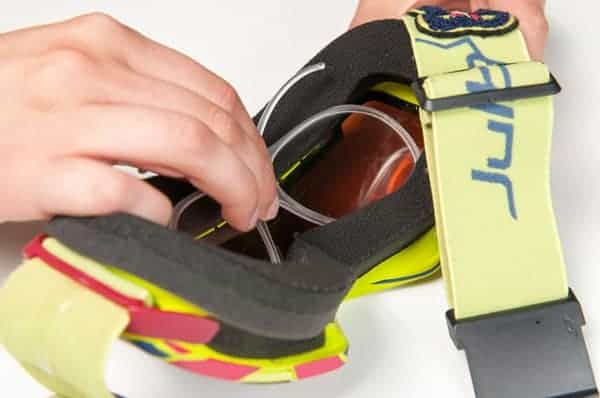
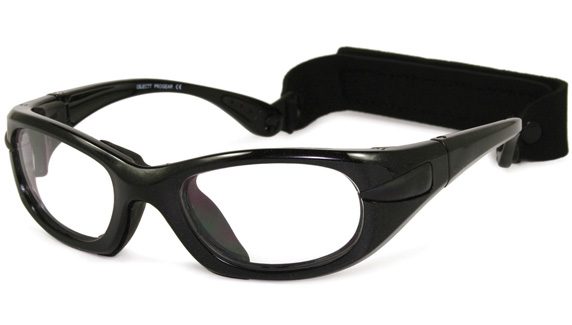
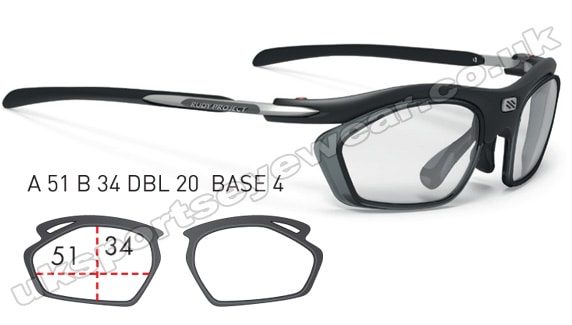
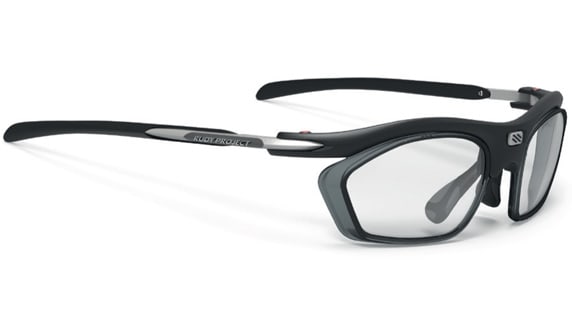
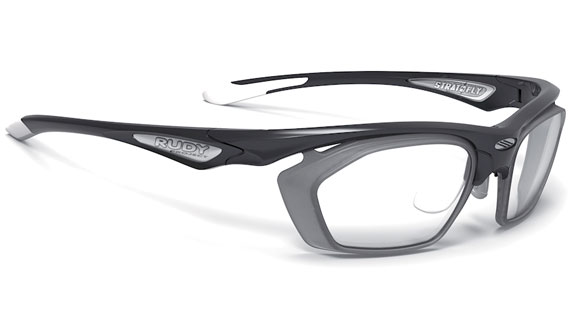
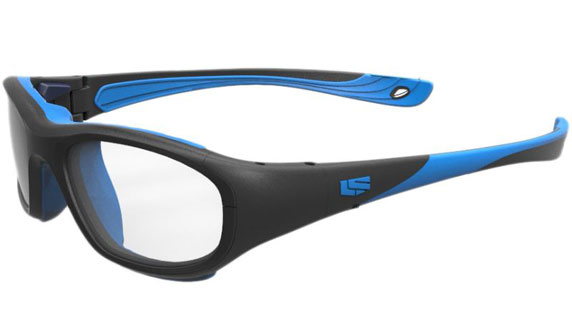
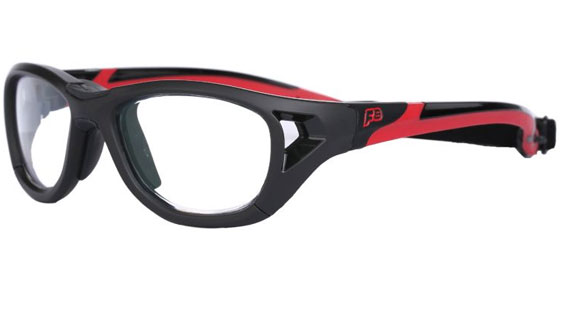
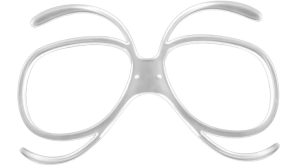
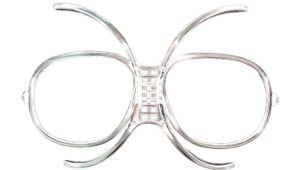
The other method is to have a custom-made pair of prescription ski goggles. This is where an optical insert is mounted inside the goggle, holding your prescription in place.
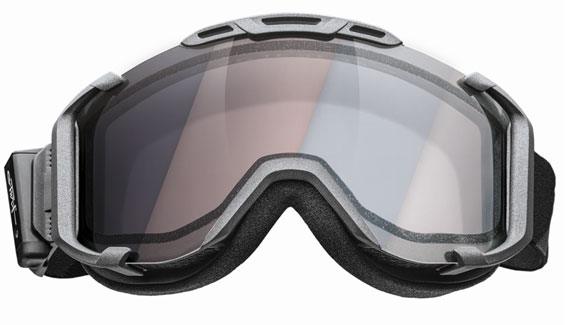
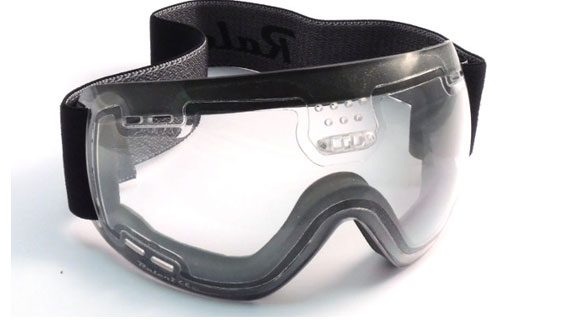
If you wear glasses you may be wondering, how do I find a pair of women’s ski goggles that I can wear over my glasses? Luckily, goggle manufacturers have thought of this and created the over the glasses or OTG ski goggles. These ski goggles are designed to be wide and deep enough to wear over the top of your regular glasses. They look just like regular women’s ski goggles, only they have a larger frame in order to accommodate the glasses underneath. However, OTG’s usually only come in one or two style and colors. However, we feel that the sacrifice in style is well worth the ability to see when you ski!
Basic Goggle Care
Women’s ski goggles, like sunglasses, are easily scratched and scuffed. By following a few simple steps, you can ensure your goggles with the look and perform great for seasons to come.
– When you are not wearing your ski goggles, be sure to keep them in a protective case or pouch. This will protect them from scrapes and scuffs when they get tossed around in your bag or car.
– If you wear a helmet, be sure to take your ski goggles off your helmet at the end of the day. Leaving them on you helmet for long periods of time can cause the strap to stretch and wear out, eventually causing them to be so loose they will not stay on your face.
– If you need to clean or wipe your ski goggles down, be sure to use special glasses or goggle cloth, otherwise, you could scratch your lenses. Many jackets have these cloths built-in, and most women’s ski goggles will come with one when you buy them. Also, if your ski goggles have a mirrored or chrome finish on them, be sure to be extra gentle when wiping them down. If you rub too hard, you can actually rub the finish right off the lens, essentially ruining them.
– If your women’s ski goggles get extremely dirty and you need to clean them, be sure to only use water when wiping them down. Using any sort of cleaner or similar substance can actually strip the anti-fog coating of the lens.
– Do not wipe down the inside of your women’s ski goggles. The inner lens actually has an anti-fog coating on it which can be stripped off if wiped. So, if you get snow or water on the inside of your ski goggles, do you best to just dab it up and let them air dry.
Fog Prevention
– Do not wipe down the inside of your women’s ski goggles. The inner lens of most ski goggles has an anti-fog coating which can be stripped of if wiped. Simply dap up the moisture and let them air dry.
– Never use glass cleaners or similar product on your ski goggles. This is a sure way to strip off the anti-fog coating. Only use water to wipe your ski goggles down.
– Never use glass cleaner on your ski goggles. Glass cleaner is guaranteed to take off your anti-fog coating.
– Make sure your vents are clear. Many times women ski goggles fog because the vents are clogged with snow, preventing the hot, moist air from escaping. If you find they are clogged, wipe or blow the excess snow out.
– Don’t put or leave your women’s ski goggles on your forehead. When you ski, you sweat. Which means your forehead is giving off hot perspiration. By leaving your ski goggles on your forehead, they fill up with this moist hot air, causing them to fog. So leave your ski goggles on your face, or put them up on your helmet or hat.