
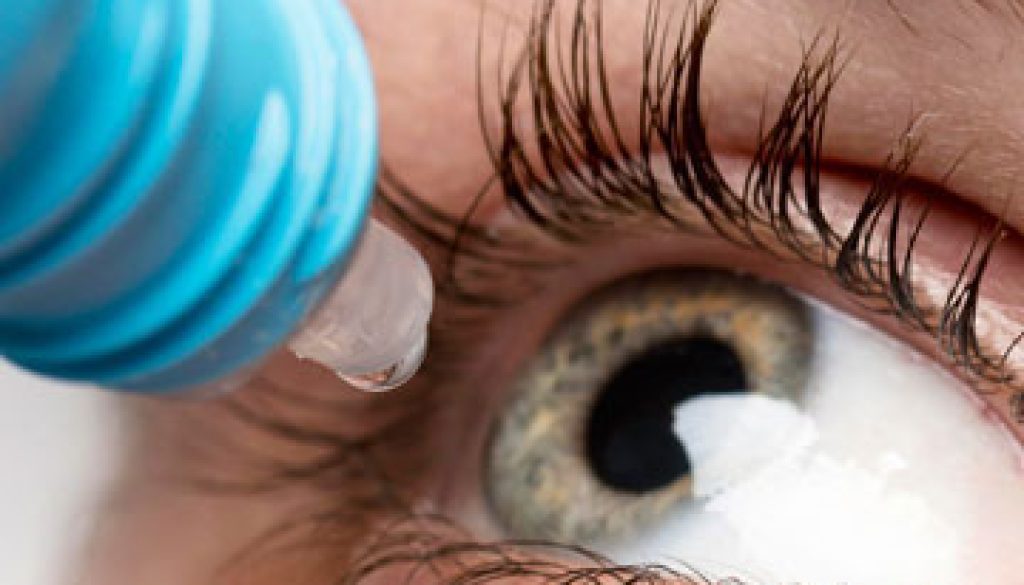
What is Dry Eye?
Dry Eye Syndrome: Overview, Symptoms, Risk Factors, and Treatment
Dry eye syndrome—also known as dry eye disease or simply dry eye—is a common condition that occurs when the eyes either do not produce enough tears or the tears evaporate too quickly. Tears are essential for keeping the surface of the eye healthy and ensuring clear vision. An imbalance in the tear film can lead to discomfort and visual disturbances.
Common Symptoms of Dry Eye:
-
A burning or stinging sensation in the eyes
-
Redness or itchiness
-
Sensitivity to light (photophobia)
-
Blurred vision
-
The sensation of having something in the eye (foreign body feeling)
-
Eye fatigue or discomfort, particularly after reading, screen use, or exposure to dry or windy environments
Risk Factors:
-
Aging – tear production tends to decrease with age
-
Gender – women are more affected, often due to hormonal changes (e.g., menopause)
-
Medical conditions – such as autoimmune diseases (e.g., Sjögren’s syndrome, rheumatoid arthritis)
-
Environmental conditions – dry climate, wind, smoke, air conditioning
-
Medications – including antihistamines, antidepressants, decongestants, and some blood pressure drugs
Treatment Options:
Treatment depends on the severity and underlying cause, and may include:
-
Artificial tears or lubricating eye drops to relieve symptoms
-
Prescription medications, such as anti-inflammatory eye drops (e.g., cyclosporine or lifitegrast)
-
Lifestyle adjustments, like using a humidifier, wearing wraparound glasses outdoors, or taking breaks from screens
-
Nutritional supplements, such as omega-3 fatty acids
-
Medical procedures, including punctal plugs (to block tear drainage), thermal pulsation therapy, or intense pulsed light (IPL) treatment to improve oil gland function
It’s important for anyone experiencing symptoms of dry eye to consult an eye care professional for an accurate diagnosis and personalized treatment plan.